Seattle in 3 Days: An Itinerary That Actually Works

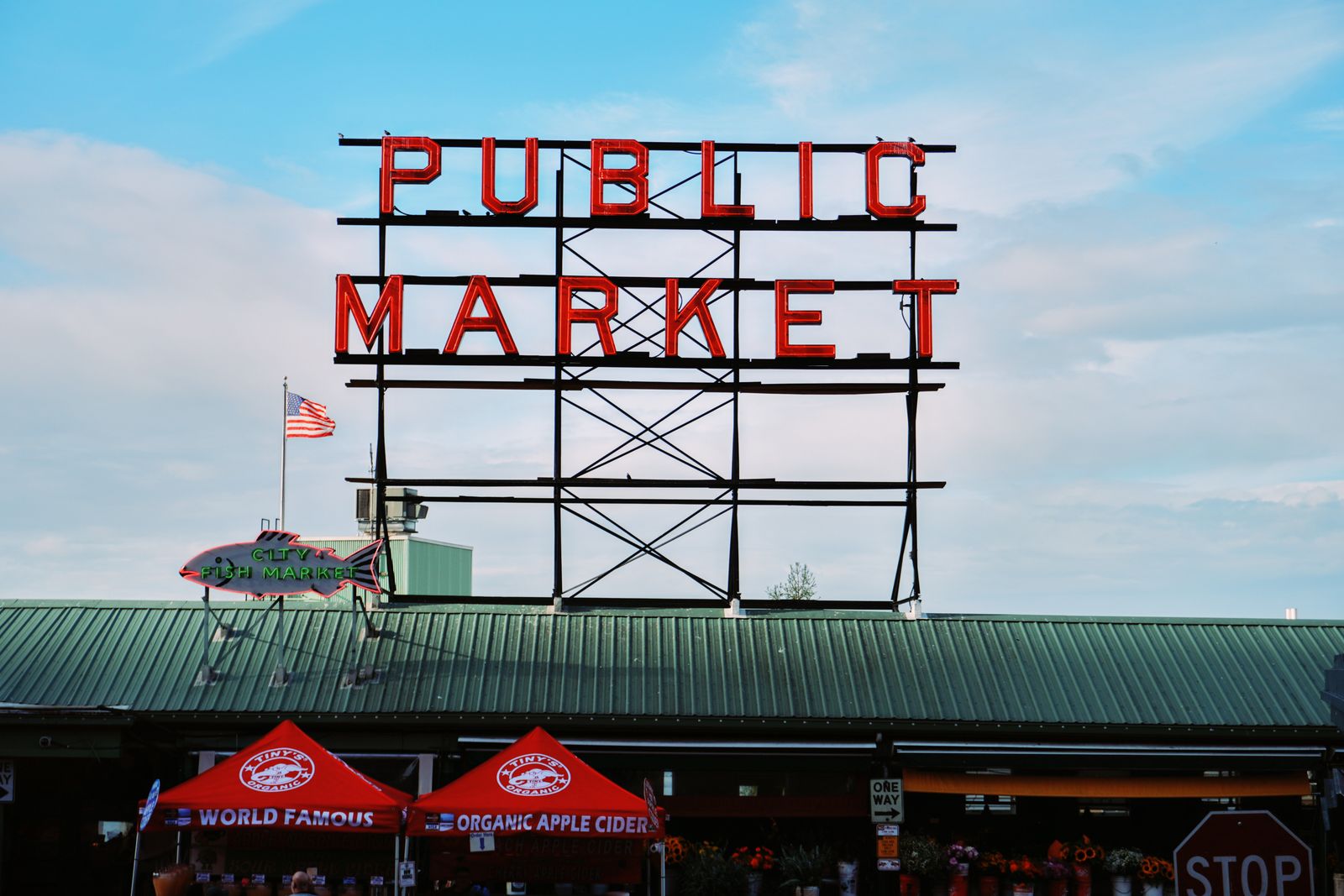
The line for the first Starbucks at Pike Place Market is forty people long at 9:30 on a Wednesday morning. Across the cobblestones, at a counter with no line at all, a woman is pulling a better shot of espresso for half the price, and behind her a fishmonger is about to throw a twelve-pound king salmon over the heads of a school group. Seattle rewards people who turn away from the queue, and this itinerary is built on that habit. Book the mountain day, get to the market early, ride the ferry that commuters ride, and let the rest of the city come to you.
Three days is right for a first visit. Day one is the waterfront and the market on foot, day two is the neighborhoods that people actually live in, and day three is the reason most of us came to the Pacific Northwest in the first place: a volcano covered in wildflowers, two and a half hours from your hotel.
Before you land: book two things, skip two
- The Mount Rainier day. Day tours from downtown run 11 to 12 hours, cost about $150 to $175, and sell out in July and August, which is exactly when the meadows at Paradise are in bloom. Book it now for day three; if the forecast is bad you can usually cancel free up to 24 hours ahead (check the exact policy on the listing).
- A Pike Place food tour. The market tasting tour runs small groups through the stalls before the crowds hit, about $69 for two hours and rated 4.9 by 1,700 people. It is the single best way to understand the market, and morning slots go first.
- Skip the first Starbucks. It is not the first (that one closed in 1976), the coffee is the same as everywhere, and the line steals an hour of your market morning. Seattle has some of the best coffee in the country; drink it somewhere with a barista who cares.
- Skip the hop-on bus. Downtown Seattle is compact and steep; the interesting parts, Capitol Hill, Fremont, Ballard, are ten minutes away by rideshare or bus. Use the light rail from the airport instead, about 40 minutes to downtown (check the current fare), and save the bus money for a ferry ticket.
Stay downtown, Belltown or near Pike Place. Everything on day one is walkable from there, and you will want to be at the market by nine.
Day 1: the market, the waterfront and a hole in the ground
Morning: Pike Place before ten
Be at the market when the stalls open around nine. Walk the main arcade to the fish counter, then down the ramps to the lower levels that most people never see: the magic shop, the used bookstore, the comic shop that has been there since 1979. Cross to Post Alley for the Gum Wall, which is exactly as disgusting as it sounds and somehow still worth two minutes. If you booked the tasting tour, this is when it runs; if not, build your own breakfast from a piroshky, a cup of chowder and a Rainier cherry in season.
 Pike Place Market Tasting TourCheck availability on Viator →
Midday: down the hill to the water
The Pike Street Hill Climb drops you from the market to the waterfront in five minutes. The new promenade runs from the aquarium to the Great Wheel and on to the Olympic Sculpture Park, which is free and has the best view of the Sound from anywhere at street level. The one-hour narrated harbor cruise leaves from Pier 55, about $46, and is the best cheap orientation to the city: you see the skyline, the port cranes, the container ships and, on a clear day, Rainier hanging over all of it.
 Seattle's Original Guided Harbor CruiseCheck availability on Viator →
Afternoon: Pioneer Square, underground
Walk south along the waterfront to Pioneer Square, the original downtown, where the street level was raised a full story after the 1889 fire. The old sidewalks are still down there. The Beneath the Streets tour takes an hour, costs about $32 and is funnier and less gimmicky than you expect, with real history about the fire, the regrade and what the city did with its sewage before the regrade (nothing good). Afterwards, the Klondike Gold Rush museum on the square is free and takes twenty minutes.
 Beneath The Streets Underground History TourCheck availability on Viator →
Evening: the view, chosen carefully
Here is the honest comparison. The Space Needle is the icon, 520 feet, with a rotating glass floor and a ticket that climbs past $40 at sunset; the combination with Chihuly Garden and Glass next door runs about $78 and the glass museum is the better half of the pair. The Sky View Observatory in the Columbia Center is taller, 902 feet, usually cheaper, and its view includes the Space Needle itself. My advice: do the Needle-plus-Chihuly combo if you have never been, because the glass garden at dusk is one of the best hours in the city; do Sky View if you have. Either way, eat afterward in Belltown, where the restaurants are within walking distance of both.
 Space Needle and Chihuly Garden and Glass Combination TicketCheck availability on Viator →
Day 2: the neighborhoods, the ferry and the coffee
Morning: the ferry locals ride
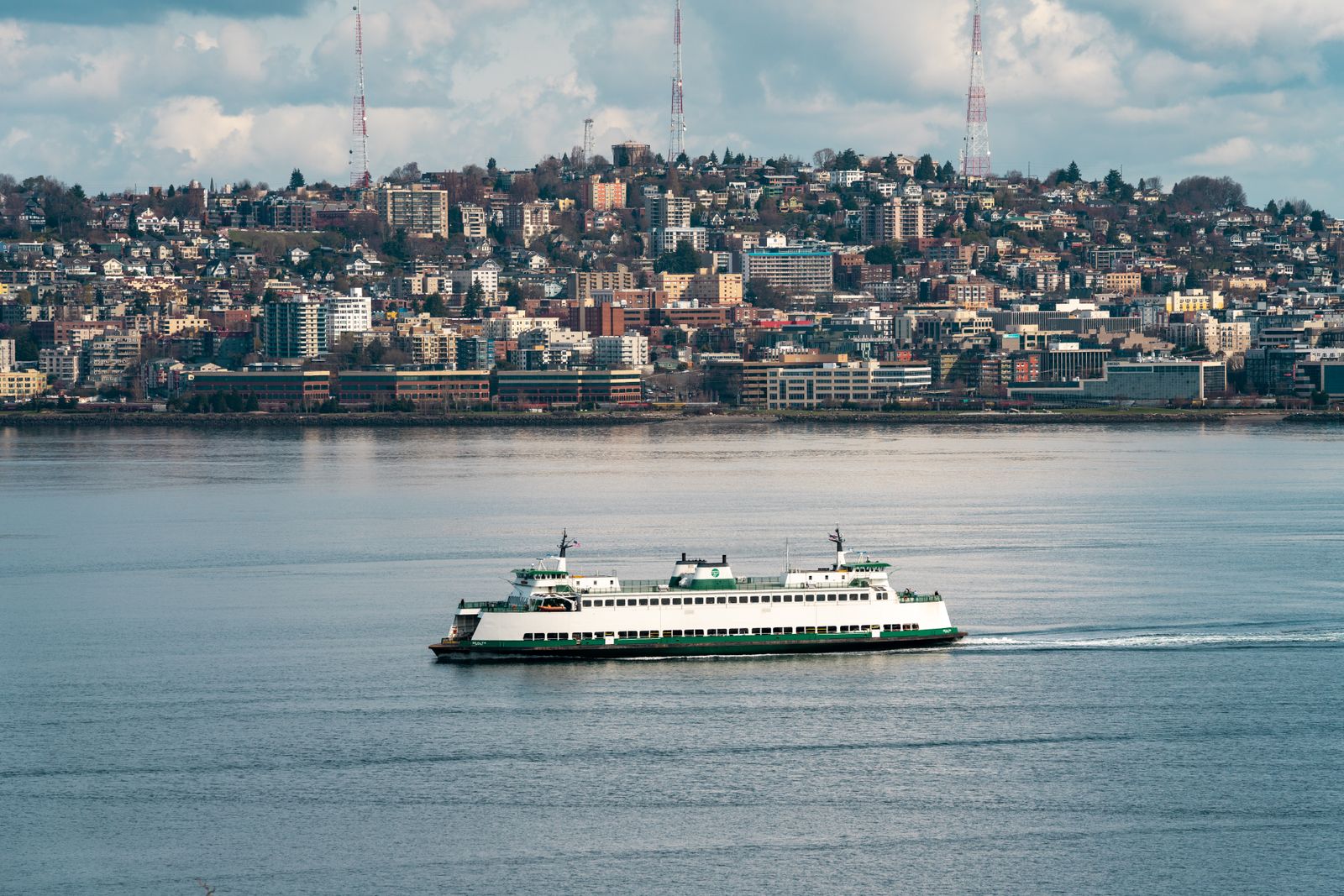
The Bainbridge Island ferry leaves from Colman Dock downtown every 50 minutes or so, takes 35 minutes each way, and as a walk-on passenger costs a few dollars round trip (you pay only westbound; check the current fare). It is the best view of the skyline you can buy at any price, and the island end has a walkable main street with a bakery and a bookstore. Take the 8:45 or so, have coffee on Winslow Way, come back on the 10:40. Two hours, no tour required.
Midday: Capitol Hill and a coffee that means it
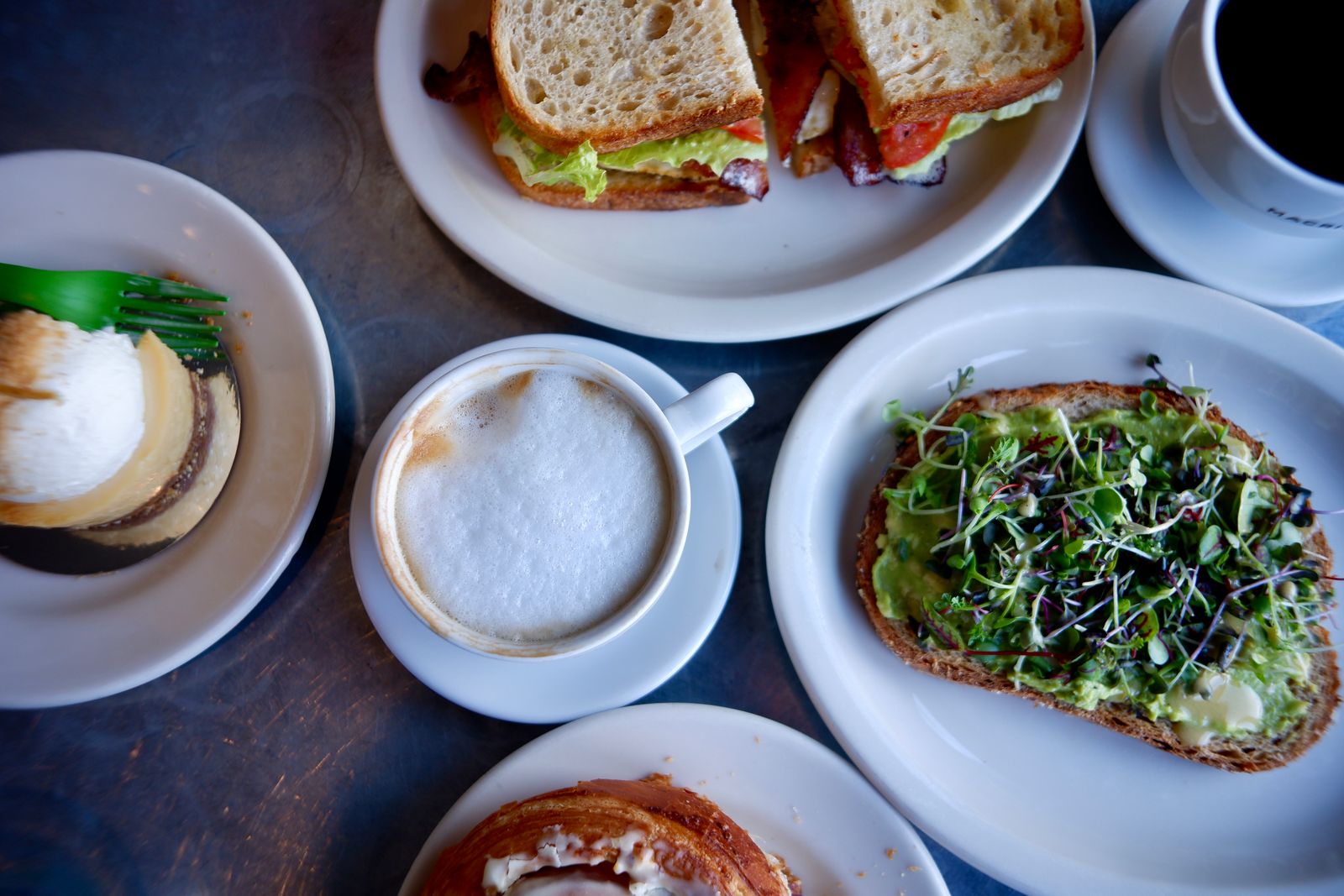
Capitol Hill is where the city drinks coffee, buys records and eats late. The coffee culture tour, about $49 for two hours, visits four roasters with tastings and explains why the city takes this so seriously; if you would rather freelance, Espresso Vivace on Broadway and the roastery on Pike Street are the two stops that matter. Lunch is a cheap and excellent teriyaki plate, Seattle's true fast food, or a bowl of pho on 12th Avenue.
Afternoon: Fremont, Ballard and the fish ladder
Fremont has a troll under a bridge crushing a real Volkswagen, a Cold War statue of Lenin bought from Slovakia, and a Sunday market. Ballard, ten minutes north, has the Hiram Chittenden Locks, where boats are lifted between the Sound and Lake Union while you watch from six feet away; from July to September, salmon climb the fish ladder next door and you can see them through underwater windows. All of it is free. Finish at Golden Gardens beach for sunset over the Olympic Mountains, or at Kerry Park on Queen Anne if you want the postcard shot of the Needle with Rainier behind it.
Evening: dinner on the water
Ballard has the best restaurant strip in the city for a first-timer: oysters at the Walrus, Neapolitan pizza, a brewery every block. If you want to be on the water instead of beside it, the original sailing cruise, a 70-foot schooner out of the waterfront with a bring-your-own-drinks policy, runs two hours for about $60 and is a better night than any dinner cruise in town.
Day 3: the mountain
Mount Rainier, done right
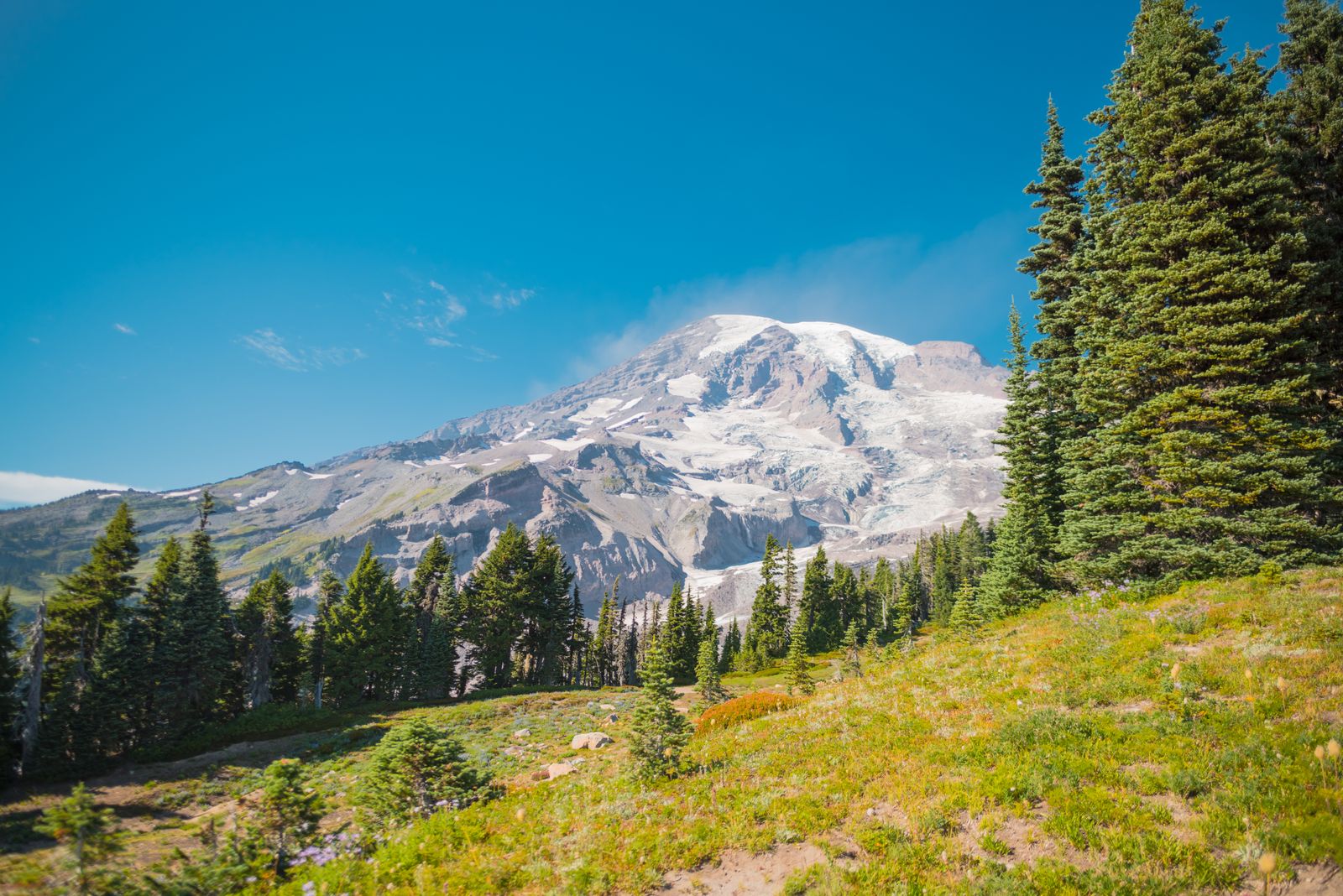
Rainier is 14,411 feet, the most glaciated peak in the lower 48, and on a clear day it fills the southern sky from anywhere in the city. The day tours leave downtown around 7am, drive two and a half hours to the Paradise side, and give you three to four hours on the trails: the Skyline Trail to Myrtle Falls and the Nisqually glacier overlook, Reflection Lakes, Narada Falls. Late July to mid August is peak wildflower season; September has fewer people and the first snow on the summit. The small-group tour at about $175 is the one I would book: 11 hours, 2,100 reviews, 4.9 stars, lunch stop at a mountain town on the way back.
 Mt. Rainier Day Tour from SeattleCheck availability on Viator →
If the mountain is clouded in
It happens, even in August. The half-day tour to Snoqualmie Falls, about $94 for four hours, gets you to a 268-foot waterfall 40 minutes from town and back by early afternoon. If you would rather have a full day anyway, the Boeing factory tour north of the city runs four and a half hours with transport, about $135, and puts you on a catwalk above the largest building in the world by volume while they assemble 777s beneath you. Both are on our Snoqualmie and Leavenworth and Boeing and flight pages.
Evening: one more walk
You will be back around 6pm, tired and sunburned. Walk the two blocks to the waterfront, get fish and chips at Ivar's on Pier 54, which has been feeding the seagulls since 1938, and watch the ferries go out. Then sleep.
The three days at a glance
| Day | Morning | Afternoon | Evening | Tours and tickets |
|---|---|---|---|---|
| 1 | Pike Place, tasting tour | Harbor cruise, Underground tour | Space Needle and Chihuly | about $225 |
| 2 | Bainbridge ferry, Capitol Hill coffee | Fremont, Ballard Locks (free) | Ballard dinner or sailing cruise | about $50 to $110 |
| 3 | Mount Rainier day tour (11 hours) | Fish and chips on the pier | about $150 to $175 | |
Add $15 to $25 a meal and $20 a day for transit and rideshares, and three days lands around $500 to $600 per person before the hotel. The Rainier day is the biggest single line and the one you should not cut; the observation decks are where to save if you must.
If you only have one day, or if you have four
One day: the market at nine, the harbor cruise at noon, the Underground tour at two, the Needle at sunset. Our Seattle in one day plan has it hour by hour.
Four days: whale watching, April to October, is the obvious addition: the half-day cruise out of the waterfront runs about $155 and orcas are seen on most summer trips, though never guaranteed (see our whale watching page). Olympic National Park is the other big one, a 12-hour all-inclusive day with rainforest, mountains and a wild beach for about $368; it is superb and it is too long to squeeze into three days, which is why it lives here. Everything in between is on our three-day Seattle plan.
Overrated, underrated, and the weather
Overrated: the first Starbucks. The Gum Wall as a destination rather than a detour. The Space Needle at noon on a Saturday, when the line to go up is longer than the ride. Dinner cruises.
Underrated: the Bainbridge ferry. The Olympic Sculpture Park. The Ballard Locks in salmon season. Sky View Observatory. The lower floors of Pike Place. Teriyaki.
Weather: July through September is dry, 70s, and the reason everyone who lives here puts up with the rest of the year; it is also when Rainier is open and the days are 16 hours long. June can be gray until the last week (locals call it Juneuary). October to April is the drizzle season, rarely heavy, rarely stopping; bring a hooded jacket, not an umbrella, and remember that the mountain roads to Paradise are typically open only from late May to October. The city itself is fine in winter, and the hotel prices drop by a third.
Questions people ask before going
Is three days enough for Seattle?
Yes for the city, and it leaves one day for Rainier, which is the right ratio. Add a fourth day for whale watching or a fifth for Olympic National Park, but do not cut the mountain to fit more city; the city is good, the mountain is the point.
Do I need a car?
Not for this plan. The light rail covers the airport, downtown and Capitol Hill; rideshares to Fremont and Ballard are ten minutes; the ferry leaves from downtown; and the Rainier tour picks you up. Rent a car only if you plan to drive the mountain yourself, in which case leave by 6am to get a parking spot at Paradise in summer.
Space Needle or Sky View Observatory?
First visit, do the Needle with Chihuly and go an hour before sunset. Repeat visit, or on a budget, Sky View: taller, cheaper, includes the Needle in the view, and rarely has a line.
Will I actually see Mount Rainier?
From the city, on roughly half the days in summer and fewer in winter. From Paradise, the tour gets you above much of the cloud, so a gray morning downtown does not mean a gray day on the mountain. The guides watch the forecast and will tell you the night before if it looks hopeless.
Is Pike Place Market worth it if I do not like crowds?
Yes, if you go at nine. By eleven on a weekend it is shoulder to shoulder in the main arcade; the lower levels and the north end stay calm all day. The flower stalls, incidentally, sell bouquets for a fraction of a florist's price and they make a good gift for whoever is picking you up at the airport.
Where should I stay?
Downtown or Belltown for walking to the market and the waterfront; Capitol Hill if you would rather live among the coffee and the bars and take the light rail in; Queen Anne for the Needle and Kerry Park views. Everything Seattle has to offer, from the market to the mountains, is on our Seattle page.