Warsaw WWII History & Jewish Heritage Tours
Few cities carry the weight of the twentieth century like Warsaw. This route follows the 1944 Uprising, the story of the Jewish ghetto and the painstaking rebuilding of the Old Town, with the best-rated guided tours and museum experiences to book. It is written for a thoughtful, unhurried visit that honours the memory of those who lived and died here.
At a glance
- 1Warsaw Uprising Museum (1944)
- 2POLIN Museum of Polish Jews
- 3Ghetto Heroes & the Umschlagplatz
- 4Rebuilt Old Town & memorials
The Warsaw Uprising of 1944
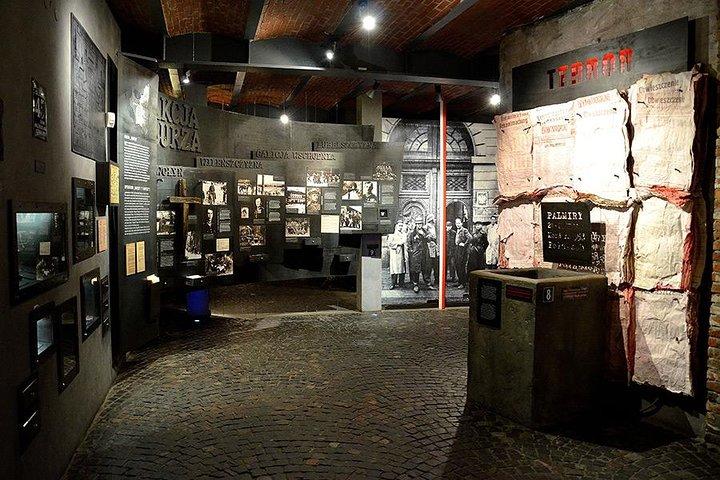
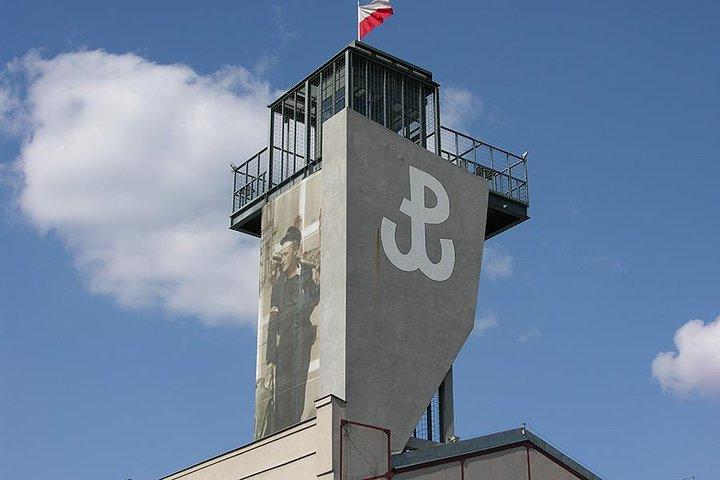
The Warsaw Uprising Museum is the essential starting point, telling the story of the 63-day revolt against German occupation through personal accounts, photographs and reconstructed streets. Guided visits explain the events with care and context, and many pair the museum with the wider WWII sites. Allow at least two hours; the exhibition is detailed and deliberately moving, and a knowledgeable guide helps make sense of a difficult, complex history.
The Ghetto and Jewish Warsaw
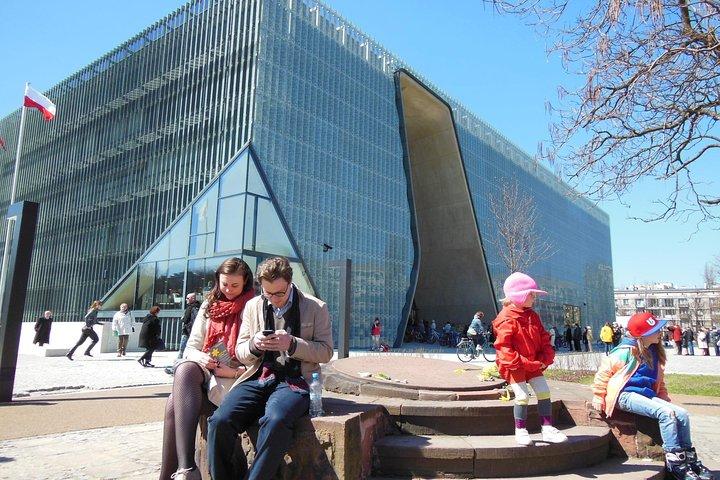
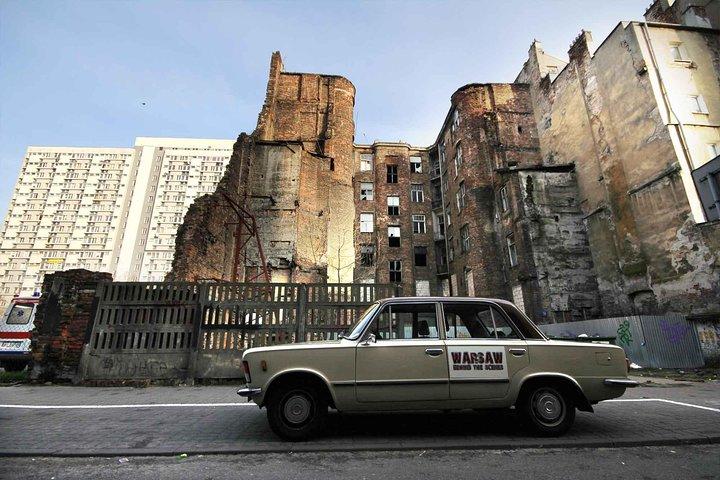
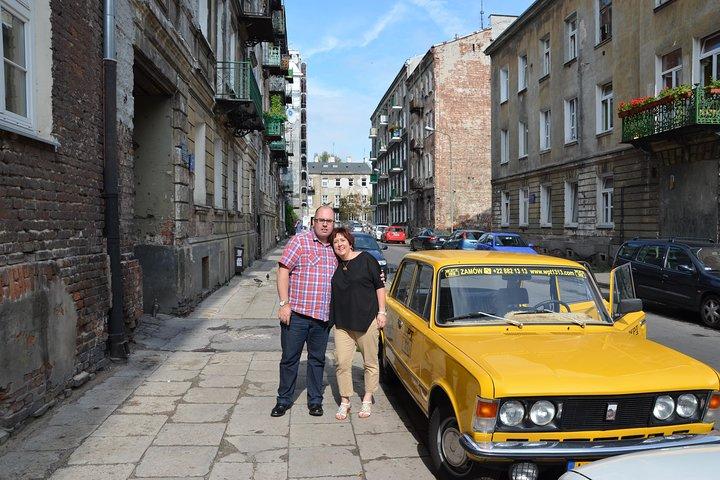
Before the war Warsaw was home to one of the largest Jewish communities in the world. Walking tours of the former ghetto trace the surviving wall fragments, the Ghetto Heroes Monument and the Umschlagplatz, from where hundreds of thousands were deported. The POLIN Museum of the History of Polish Jews tells the fuller thousand-year story with dignity, balancing the tragedy of the Holocaust with centuries of community, culture and life.
A city rebuilt from the rubble
By 1945 much of Warsaw lay in ruins, and the Old Town you see today was meticulously reconstructed from paintings and photographs, later recognised by UNESCO. Historical walking tours connect the wartime sites to this remarkable rebuilding, from the Royal Castle to the military cemeteries. Seeing the restored Market Square after learning what was lost gives the city's resilience real meaning and rounds out a day of remembrance.
Planning a respectful visit
These are places of memory, so a slower pace suits them. Small-group and private tours give space for questions and reflection, and combining the Uprising Museum, POLIN and a ghetto walk over one or two days avoids rushing. Dress modestly for memorials and cemeteries. Note that Auschwitz-Birkenau is near Krakow, several hours south, and is a separate journey rather than a Warsaw day trip.
Book the experiences in this itinerary
Top-rated tours for exactly what this plan recommends in Warsaw — prices per person.