How Much Does a Trip to London Cost? Real Prices for Tours, Food and Getting Around

You have three nights booked in London and a number in your head, and the question is whether that number survives contact with the city. It can, but only if you know which costs are fixed and which ones you are choosing without noticing. This breakdown puts real prices on all of it, in euros, at roughly €1.20 to the pound (the rate in early November 2026; check yours before you go).
The short answer: three budgets for three days
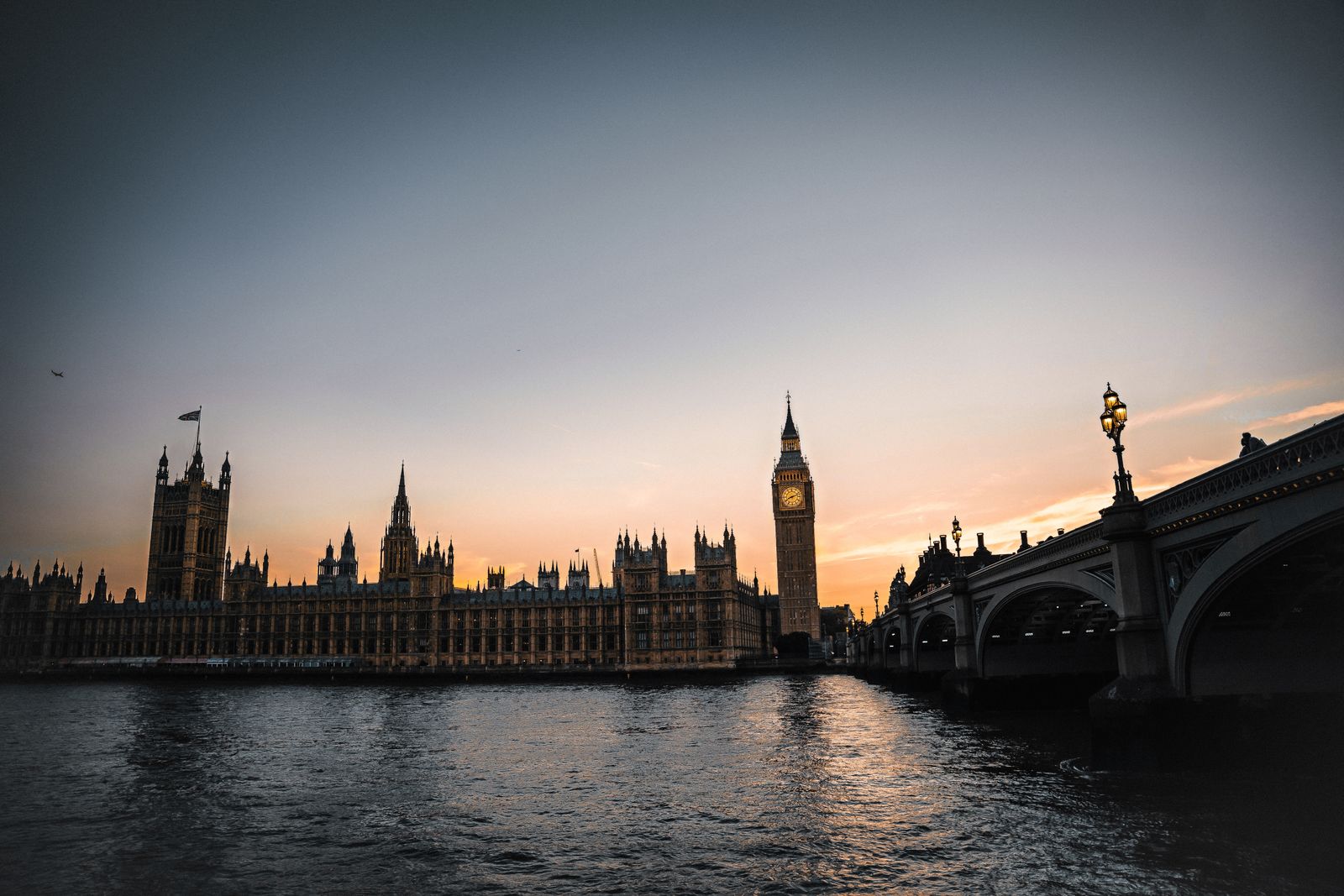
These are per-person totals for three days, assuming two people share a room. Flights and travel insurance are not included, because they depend entirely on where you start.
| Per person, 3 days | Shoestring | Mid-range | Comfortable |
|---|---|---|---|
| Bed (3 nights) | €135 (hostel dorm) | €225 (3-star or budget chain, shared) | €450 (4-star, shared) |
| Food and drink | €90 | €180 | €330 |
| Transport incl. Heathrow | €45 | €70 | €135 |
| Tours and tickets | €50 | €160 | €310 |
| Total | about €320 | about €635 | about €1,225 |
The gap between the columns is mostly the bed. Food and tours scale with taste, but a London hotel room is the one cost you cannot talk down once you arrive.
Where to sleep: the bands that actually exist
London accommodation is the single biggest line in any budget, and prices swing hard by season and by weekday. Aggregator data from early 2026 put the average London hotel night at around £274, with 3-star properties averaging about £87 and 4-star around £186, so treat the bands below as a guide and check live prices for your dates.
- Hostel dorm bed: roughly €35–60 a night in central areas, higher on summer weekends.
- Budget chain or simple 3-star: roughly €110–190 for a double room. Chains such as Premier Inn and Travelodge sit here.
- 4-star: roughly €220–330 for a double, more in Mayfair or on the South Bank in peak season.
The trick that saves the most is not a cheaper hotel but a better location within Zones 1–2. A room near a Tube station in Bermondsey, King's Cross or Earl's Court costs less than one in Covent Garden and is rarely more than 15 minutes from the sights. Staying in Zone 4 to save €30 a night usually costs you that much back in time and fares.
Timing matters as much as neighbourhood. Summer is the busiest and priciest stretch, while late autumn and winter outside the Christmas weeks bring the lowest room rates of the year.
Food: what a day of eating costs

London can be cheap to eat in if you lean on supermarkets and markets, and very expensive if you sit down three times a day in the West End. Some reference prices from 2026:
- Supermarket meal deal (sandwich, snack, drink): about £4.25, around €5. Tesco's standard deal is cheaper with a Clubcard.
- A pint in a pub: surveys put the London average at about £6.50–6.75, around €8, with Kensington and Chelsea well above that.
- Casual sit-down dinner with a drink: realistically €25–40 per person outside the tourist core.
That gives roughly €30 a day on a shoestring, €60 mid-range and €110 if you want proper dinners. Check the bill before you tip: many London restaurants add a discretionary service charge, often 12.5%, and you do not need to add more on top.
If you want one paid food experience, make it a guided market or pub walk rather than an expensive dinner. This one is for anyone who wants London's pub history with a pint in hand, and its 11,965 reviews at 5 stars are hard to argue with.
 London Small Group Tour of Historical PubsCheck availability on Viator →
At €43 for three and a half hours, it doubles as your evening out. The Borough Market tastings tour at €112 is the bigger splurge and only makes sense if food is the point of your trip.
Getting around: the Tube cap does the budgeting for you

London transport is easy to budget because pay-as-you-go fares are capped. Tap the same contactless card or phone in and out on every journey, and once you hit the daily cap you ride free for the rest of the day.
- Tube, Zones 1–2 daily cap: £8.90, about €10.70. A single Zone 1 trip is £3.00–3.10 since March 2026.
- Bus single: £1.75 was frozen until 1 November 2026 and was set to rise to £1.85 after that, with a daily bus cap around £5.55. Check current fares on TfL.
- Hopper rule: after one paid bus fare, more buses within an hour are free.
The real decision is the airport. From Heathrow, the Piccadilly line costs about £5.90 (around €7) and takes close to an hour. The Elizabeth line is faster at roughly £15.50, and the Heathrow Express to Paddington is about £26 walk-up, with cheap advance fares if you book a month out. Check current prices, but for most people the Elizabeth line is the sensible middle.
Underrated: the bus. Routes along the river and through the West End show you more of the city than any Tube ride, at less than a third of the price.
What is free, and it is a lot

London's biggest money-saver is that its major national museums charge nothing for general admission. That covers the British Museum, the National Gallery, Tate Modern, the Natural History Museum and the Science Museum. Special exhibitions are ticketed, so check before you go.
- Changing of the Guard at Buckingham Palace is free to watch; the schedule varies, so check the current days.
- Walking the South Bank from Westminster to Tower Bridge takes about an hour and passes half the postcards in London.
- Choral Evensong at Westminster Abbey is free to attend, though you cannot wander the building during the service.
- The royal parks, from St James's to Hyde Park, cost nothing and are the best picnic spot for your meal deal.
A shoestring trip that leans on these can fill three full days and spend almost nothing on admission. That is why the shoestring column above has only €50 for tours.
The tours and tickets worth paying for

With so much free, every paid ticket should earn its place. The Tower of London is the one paid sight most first-timers should not skip. The gate price is around £37–38 according to Historic Royal Palaces listings, and booking ahead mainly buys you a timed slot.
This day ticket is for anyone who wants the Crown Jewels and the Beefeater stories in one visit, and from €46 it lands close to the official price.
 Tower of London and Crown Jewels Exhibition Day TicketCheck availability on Viator →
Westminster Abbey is the other big ticket at about £32 for adults in 2026. It is worth it if you care about the coronation history; if you only want to see the building, Evensong gets you inside for free.
For a single guided overview, the best value in the material is a three-hour walk rather than a full-day coach tour. This one suits first-time visitors who want Buckingham Palace, Parliament and Westminster explained in one morning, at €27 with a 4.9 rating from 1,791 reviews.
 London's Palaces & Parliament Tour (See Over 20+ London Top Sights)Check availability on Viator →
Compare that with the London in One Day tour with river cruise at €164: it covers similar ground, but you pay six times more mainly for transport between sights you could walk. If you want to plan the walking version yourself, our 3-day London itinerary lays out the order.
One day trip, and which one

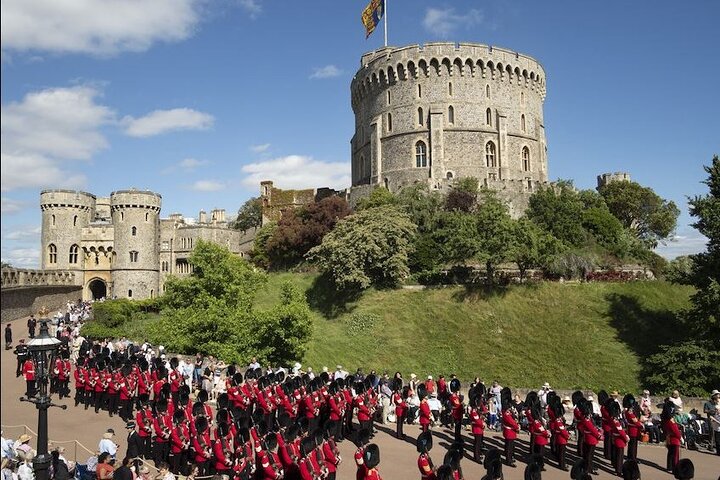
A third day out of the city is where a mid-range budget earns its keep. Coach trips combining Windsor, Stonehenge and a third stop start from about €84–87, which is hard to match on your own once you add train fares and two admissions.
This one is for travellers who want the classic triple in one long day, and it has 6,055 reviews at 4.6 stars.
 Windsor Castle, Stonehenge, and Oxford Day Trip from LondonCheck availability on Viator →
Be honest about the 11.5 hours, though: much of it is on a coach. If you would rather spend the time in one place, the Stonehenge and Bath trip at €84 is a shorter day with more time in Bath. Our day trips from London page compares the rest, including Oxford and the Cotswolds.
The Harry Potter studio deserves its own line in your budget: with round-trip transport it usually runs about £50–110 per person, and tickets are timed and sell out weeks ahead in school holidays.
Where people overspend in London

Most budgets break on small decisions repeated over three days, not on the one big ticket. These are the usual leaks:
- Madame Tussauds and the South Bank combo attractions. Tussauds starts at €33 with a 3.9 rating, and SEA LIFE and Shrek's Adventure score 3.7 and 3.6. Overrated for adults: skip them unless you are travelling with kids who asked.
- London Eye fast track. The standard ticket starts at €35 and fast track at €54. Pay the extra only on a summer weekend or at sunset; on a weekday morning, skip it.
- Heathrow Express on a walk-up fare. About £26 for 15 minutes saved against the Elizabeth line is a poor trade unless you are on an expense account.
- Black cabs for short hops. Central sights are often 10–20 minutes apart on foot, and the bus Hopper covers the rest.
- Eating on Leicester Square and Piccadilly Circus. Walk five minutes into Soho or Chinatown and the same money buys a far better meal.
- Foreign transaction fees. Check your card before you go: tapping in and out a dozen times a day adds up if your bank charges per transaction.
Sightseeing passes are the trickiest call. They can pay off if you visit several paid attractions in a short window, but with the museums free, many three-day itineraries never reach the break-even point. Price your actual list first.
For everything else, our things to do in London page lets you compare prices across tours before you commit.
Questions people ask before going
Is €100 a day enough for London?
Not including a bed, €100 a day covers food, transport and one paid sight comfortably. Including accommodation, it works only with a hostel dorm and a lot of free museums. Most mid-range travellers spend closer to €200 a day per person.
Do I need cash in London?
Barely. Cards and contactless payments are accepted almost everywhere, including all public transport. A small amount of cash is useful for the odd market stall, but you can easily go three days without touching any.
Should I buy an Oyster card or just use my phone?
For most visitors with a contactless card or phone wallet, there is no need for an Oyster: the same caps apply. Just use the same card or device for every tap, or the cap will not work. Check whether your bank charges foreign fees first.
When is London cheapest to visit?
Winter outside the Christmas period has the lowest room prices and the quietest museums. Early autumn is a good compromise, with milder weather and shoulder-season rates. Summer and school holidays are the most expensive.
Is the London Pass worth it for three days?
Only if your list is heavy on paid sights, such as the Tower, Westminster Abbey and a river cruise, all in a few days. If your plan leans on the free museums, buying tickets individually usually comes out cheaper. Add up your own list before buying.